
Picture this: it is a typical Tuesday morning at a major bank branch in Orchard Road. The air conditioning hums, the digital display flickers with the next number to be called, and a line of customers stretches past the teller counters. Among them is Mr. Tan, a small business owner who needs to deposit his weekly takings and discuss a loan extension. He arrived at 9 AM, expecting a quick visit, but the queue has barely moved. By 10:30 AM, he is still waiting. His frustration is not just about time; it is about the feeling that his bank does not value his patience.
This scenario plays out daily across Singapore's banking sector. Despite the rise of digital banking apps, millions of customers still visit physical branches for complex transactions, account openings, and advisory services. The problem is not that banking is slow; it is that traditional queue management fails to keep pace with customer expectations. When branches rely on first-come-first-served systems without smart prioritisation, the customer experience suffers, and banks lose trust, loyalty, and revenue.
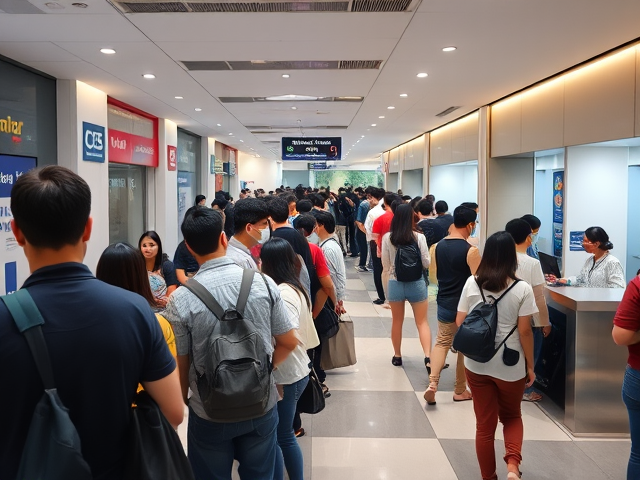
Singapore's banking industry is among the most competitive in Asia. With digital-first fintech startups challenging traditional banks, the customer experience at the branch level has become a critical differentiator. Long waiting times are no longer acceptable. Customers expect the same speed and convenience they get from food delivery apps and ride-hailing services.
When a bank branch fails to manage queues effectively, the consequences go beyond annoyed customers. It leads to higher operational costs, lower staff productivity, negative online reviews, and ultimately, customer churn. A modern queue management system is not a luxury; it is a necessity for any bank that wants to remain relevant in Singapore's fast-evolving financial landscape.
Types of Queue Management Solutions
Research shows that the average acceptable wait time for banking services is between 5 and 10 minutes. Beyond that, customers begin to feel neglected. In Singapore, where time is money, even a 20-minute queue can result in a customer vowing never to return to that branch.
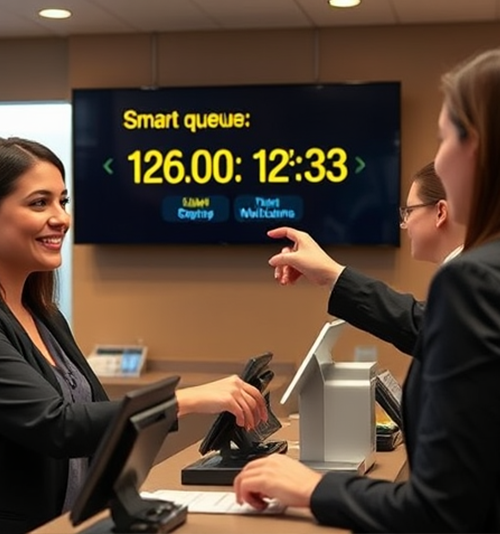
A smart queue management system addresses this by introducing intelligent routing, priority handling, and real-time capacity management. Instead of a rigid first-come-first-served model, the system assigns customers to the most appropriate service counter based on their needs. Premium account holders, elderly customers, and urgent transactions can be prioritised automatically, ensuring that the right people are served first without causing resentment among others.
When banks deploy a smart queue system with virtual queuing capabilities, customers no longer need to stand in line. They can join the queue from their phone, receive SMS or WhatsApp updates, and arrive at the branch just minutes before their turn. This simple shift transforms the customer experience from a frustrating ordeal into a seamless, respectful interaction.
Uncertainty is the enemy of patience. When a customer stands in a bank queue with no idea how long they will wait, anxiety builds. A modern queue management system eliminates this uncertainty by providing real-time visibility into queue status.
Here is how transparent communication through a smart queue system benefits bank customers:
By integrating seamless communication into the queuing process, banks demonstrate respect for their customers' time. Whether through a mobile app, digital displays, or automated notifications, customers stay informed and engaged. This not only smooths out the waiting experience but also reinforces the bank's commitment to delivering a premium customer experience.
Bank branches in Singapore face unique crowd management challenges. Peak hours see surges in foot traffic, especially on the first and last days of the month. Without a queue management system in place, branches become overcrowded, staff become overwhelmed, and the customer experience deteriorates rapidly.
Efficient crowd management is vital for any bank branch. It is not just about guiding people; it is about creating an orderly, comfortable environment where customers feel valued. This approach does not just solve logistical issues; it enhances the entire customer experience, making visits smoother and more enjoyable for everyone.

In Singapore's competitive banking landscape, the customer experience is the primary driver of loyalty and retention. A queue management system plays a pivotal role in shaping how customers perceive a bank from the moment they walk into a branch.
Effective customer experience management is a continuous journey. Implementing a robust smart queue system is a powerful step in this journey, ensuring that every branch interaction counts towards building a strong, lasting relationship with your customers.
Bank tellers and relationship managers in Singapore often face the brunt of customer frustration caused by long queues. When a customer has waited 45 minutes only to be served for 3 minutes, the interaction can become tense. This is not just demoralising for staff; it also affects the quality of service they can provide.
A smart queue system alleviates this pressure by managing customer flow before it reaches the counter. When customers are informed of their wait time and can arrive at the right moment, staff can focus on delivering quality service rather than managing complaints about delays.
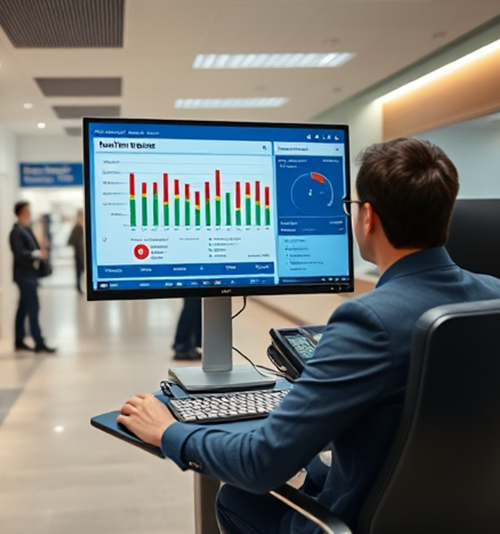
Moreover, queue management software provides branch managers with real-time dashboards showing staff workload, average service time, and peak hours. This data enables smarter rostering, better training decisions, and improved overall branch performance. When staff are not constantly put out by queue-related stress, they are free to do what they do best: serve customers with care and professionalism.
And when staff morale improves, the ripple effect is felt across the entire branch. Lower turnover, higher productivity, and a more positive workplace culture all contribute to a better customer experience.
Inefficiencies in branch operations directly impact a bank's bottom line. Long queues lead to wasted staff hours, higher customer acquisition costs due to churn, and missed cross-selling opportunities. Every customer who walks away from a crowded branch represents lost revenue and a potential competitor gain.
A modern queue management system addresses these costs in multiple ways:
The impact of a smart queue system on operational efficiency can be substantial. Banks that have implemented queue management software report reductions in average wait times by up to 60%, improvements in staff productivity by up to 40%, and significant gains in customer satisfaction scores.
A queue management system does far more than manage lines; it generates valuable data across the entire customer journey. For bank managers and executives in Singapore, this data is essential for making smarter, more informed operational decisions.

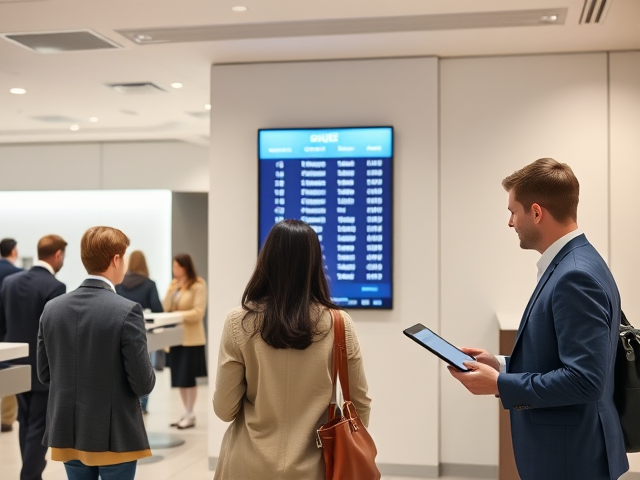
Singapore's banking sector is undergoing rapid transformation. The Monetary Authority of Singapore (MAS) continues to push for digital adoption, and customers increasingly expect seamless, omnichannel experiences. Yet, physical branches remain essential for complex transactions, advisory services, and trust-building interactions.
The gap between digital convenience and physical service is where banks risk losing customers. A smart queue system bridges this gap by bringing digital efficiency into the physical branch. It allows banks to offer the convenience of app-based queuing while maintaining the personal touch that only face-to-face service can provide.
Banks that invest in a modern queue management system today will be the ones that retain customer loyalty tomorrow. Those that continue to rely on outdated, manual queuing methods will find themselves struggling to compete with fintech companies and digitally-forward competitors.
The choice is clear: adapt to the new expectations of Singapore's banking customers, or risk being left behind.
Ready to reduce branch waiting times and deliver a world-class customer experience in your bank? Discover how QueueBee's smart queue system and queue management software can transform your branch operations across Singapore.
Contact us today for a personalised demo and see the difference a modern queue management system can make.