
Every day, thousands of residents and expatriates visit immigration counters, licensing departments, and government service centres across Singapore. From passport renewals and work pass applications to business licence approvals and immigration clearance, these offices handle some of the most critical transactions in people's lives. Yet, despite Singapore's reputation for efficiency, many of these offices still rely on outdated first-come-first-served queuing methods that create long physical lines, unpredictable wait times, and frustrated citizens.
A modern queue management system is no longer a luxury for government offices — it is a necessity. By replacing manual ticketing and physical queues with a smart queue system, immigration and licensing offices can dramatically reduce wait times, improve service delivery, and create a seamless experience for the millions of people who depend on these services every year.
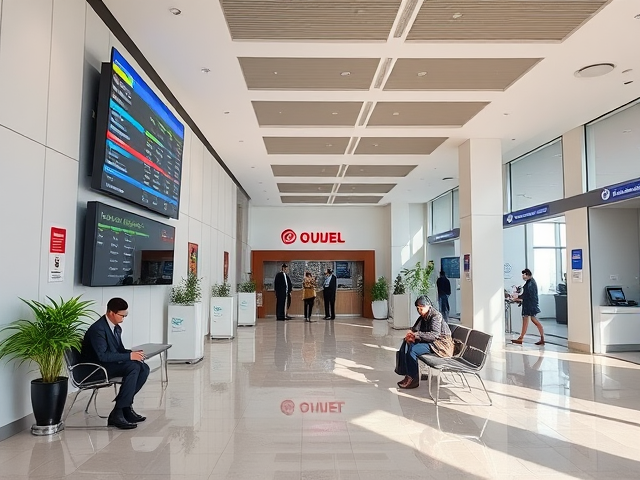
Singapore's immigration and licensing offices serve a diverse population of residents, permanent residents, and foreign workers. The volume of transactions is immense, and the consequences of poor queue management are significant. Long queues at the Immigration & Checkpoints Authority (ICA) offices, Ministry of Manpower (MOM) service centres, and licensing departments lead to wasted hours, missed appointments, and unnecessary stress for citizens and businesses alike.
A well-implemented queue management system addresses these challenges head-on. It introduces structure to chaotic waiting areas, provides real-time visibility into service progress, and ensures that every visitor is served fairly and efficiently. For government offices that handle high-volume, time-sensitive transactions, this is not just an improvement — it is a transformation.
Choosing The Right Queue System For Immigration And Licensing Offices
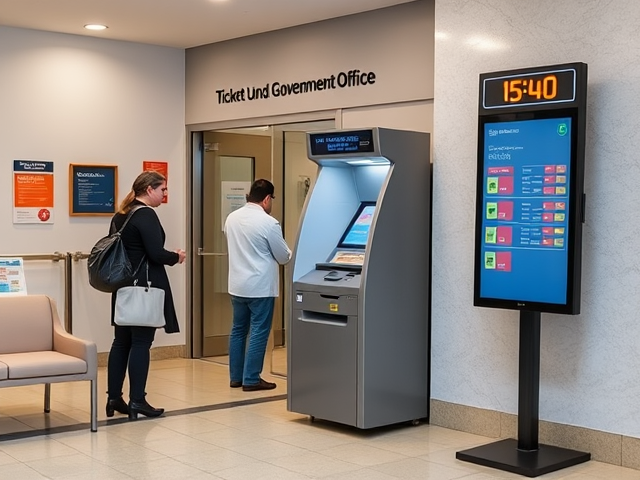
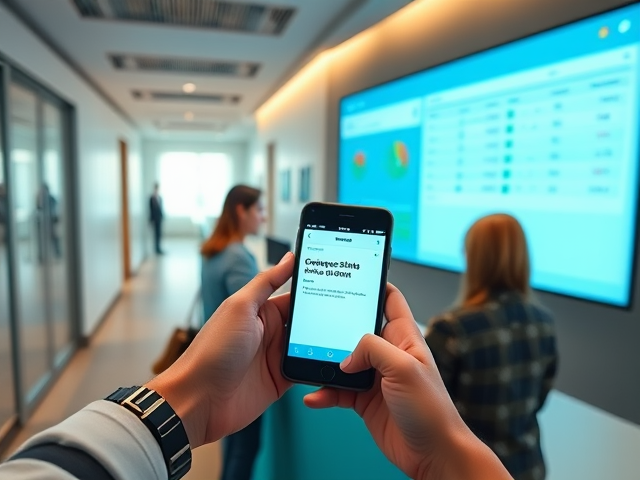
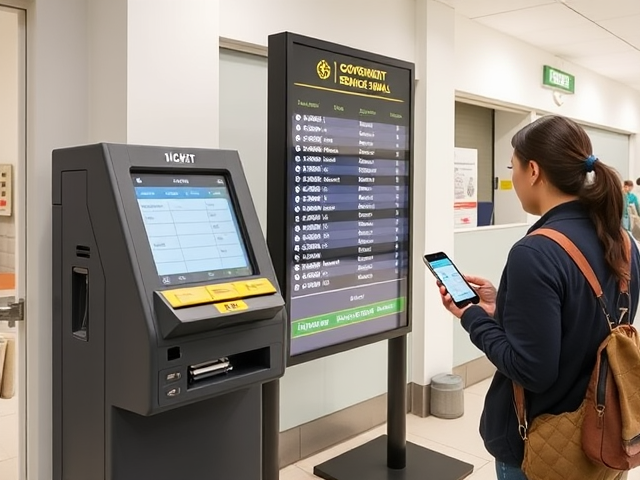
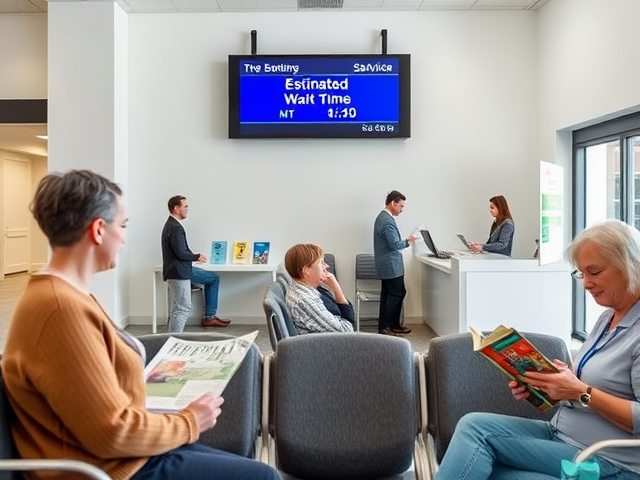
Wait times at Singapore's immigration and licensing offices can stretch from 30 minutes to over two hours during peak periods. For a passport renewal, work pass application, or business licence approval, citizens and businesses cannot afford to spend half a day standing in line. Research shows that most people begin to feel dissatisfied after just five to ten minutes of waiting, and beyond that, frustration sets in rapidly.
A smart queue management system tackles this problem by intelligently distributing visitors across available service counters, prioritizing urgent cases, and providing accurate wait time estimates. When visitors know exactly how long they will wait and can plan accordingly, the perceived wait time drops significantly. Combined with virtual queuing that allows people to wait off-site, the actual time spent at the office is reduced dramatically.
For immigration offices processing thousands of applications daily, even a 20 percent reduction in average wait time translates to thousands of hours saved across the population. This is the kind of operational improvement that makes a tangible difference in citizen satisfaction and government service delivery.
Uncertainty is one of the biggest sources of anxiety in any queue. When visitors to an immigration or licensing office do not know their position in line, how many people are ahead of them, or when their turn might come, stress levels rise and complaints increase. A queue management system eliminates this uncertainty by providing continuous, transparent communication throughout the waiting process.
Through digital display boards, SMS notifications, and mobile app alerts, visitors receive real-time updates on their queue status. This transparency delivers three critical benefits:
For immigration and licensing offices in Singapore, where visitors often travel from different parts of the island or even from abroad, this level of communication is essential. A queue management system ensures that every visitor feels informed, respected, and valued throughout their service journey.
Immigration and licensing offices in Singapore experience significant fluctuations in foot traffic. Peak periods during grant application deadlines, work pass renewal seasons, and business registration windows can overwhelm service counters and create chaotic waiting areas. A smart queue management system provides the tools needed to manage these surges effectively.
Effective crowd management is not just about logistics — it is about creating a dignified, orderly environment where citizens feel that their time is respected. For Singapore's government offices, this is a critical component of public service excellence.
In Singapore, the expectation for government services is exceptionally high. Citizens and businesses expect efficiency, professionalism, and a seamless experience. A queue management system directly contributes to meeting these expectations by transforming the often-stressful visit to an immigration or licensing office into a smooth, predictable, and respectful interaction.
For immigration and licensing offices, the queue management system is not just a technological upgrade — it is a commitment to public service excellence. By delivering a fair, efficient, and respectful experience to every visitor, these offices can strengthen Singapore's reputation as a leader in government service delivery.
Government officers working in immigration and licensing offices face unique challenges. They handle complex applications, deal with high volumes of visitors, and often manage emotionally charged situations. When queues are poorly managed, the stress on staff increases significantly, leading to burnout, reduced productivity, and lower service quality.
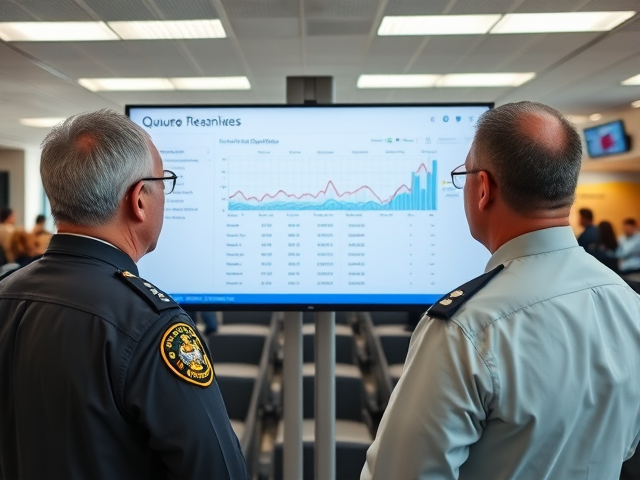
A queue management system alleviates much of this pressure by streamlining the waiting process and keeping visitors informed. Officers no longer need to manage physical lines, answer repetitive wait time questions, or deal with frustrated visitors who feel they have been unfairly treated. Instead, they can focus on what they do best — processing applications accurately and providing professional service.
When staff are freed from the burden of queue management, their productivity increases. They can process more applications per day, make fewer errors, and maintain higher levels of professionalism throughout the day. This operational efficiency translates directly into faster service delivery, reduced backlogs, and improved overall performance for the office.
Moreover, a well-managed queue system reduces the number of complaints and escalations that officers must handle. When visitors are informed, treated fairly, and served efficiently, the overall atmosphere in the office improves, creating a more positive work environment for everyone.
Inefficient queue management carries hidden costs that many government offices overlook. Long queues lead to higher staff overtime requirements, increased need for security personnel to manage crowds, and greater demands on facility management. When visitors leave without being served due to excessive wait times, the office must process follow-up visits, multiplying the resource expenditure.
A smart queue management system addresses these costs systematically:
For immigration and licensing offices operating within government budgets, these savings are substantial. The return on investment from implementing a queue management system is typically realized within the first year through reduced operational costs, improved staff productivity, and enhanced service delivery.
A modern queue management system does far more than manage lines — it generates valuable data that can transform how immigration and licensing offices operate. Every queue interaction produces data on wait times, service duration, peak hours, visitor demographics, and service types. This data is a goldmine for government administrators looking to optimize their operations.
For Singapore's immigration and licensing offices, data-driven decision making is not just a modern best practice — it is a strategic imperative. A queue management system provides the insights needed to continuously improve service delivery, allocate resources wisely, and meet the evolving needs of the public.
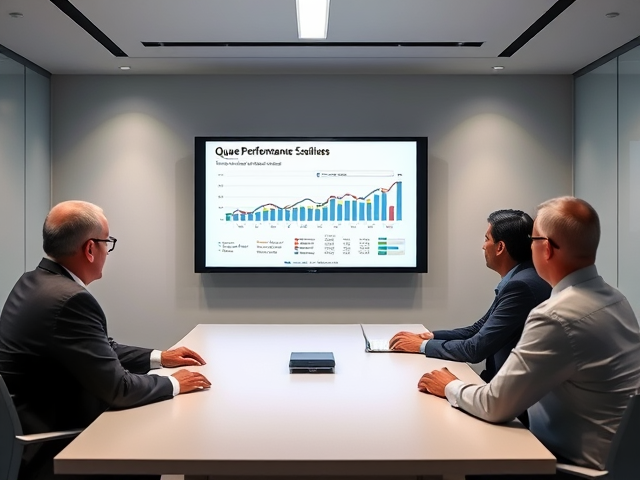
Singapore's immigration and licensing offices require a queue management system that is reliable, scalable, and designed for high-volume government service environments. QueueBee's queue management system is built specifically to meet these demands, offering a comprehensive solution that addresses every aspect of queue management for government offices.

For immigration and licensing offices in Singapore, QueueBee is not just another queue management system — it is a trusted partner in delivering world-class public service. By combining cutting-edge technology with deep understanding of government service requirements, QueueBee helps offices transform their queue management and deliver exceptional experiences to every visitor.
Ready to eliminate long queues and deliver exceptional service to Singapore's residents and businesses? QueueBee's queue management system is the proven solution trusted by government offices worldwide. Contact us today to discover how a smart queue system can transform your immigration or licensing office operations.
Get a personalized demo and see the difference QueueBee can make.