
Walk through any busy shopping mall in Singapore on a weekend afternoon, and you will quickly notice a familiar scene: shoppers standing in long queues at popular retail counters, food outlets, and service centres. From the latest smartphone launches at Orchard Road to the checkout lines at neighbourhood supermarkets, waiting in line has become an unavoidable part of the retail customer journey in this city-state.
For retail businesses, the challenge is not just about managing lines but about managing the customer experience during those waits. A poorly managed queue can turn a routine shopping trip into a frustrating ordeal, leading to abandoned purchases, negative reviews, and lost loyalty. In a market as competitive as Singapore's, where consumers have countless alternatives at their fingertips, the quality of the waiting experience often determines whether a customer returns or walks away for good.
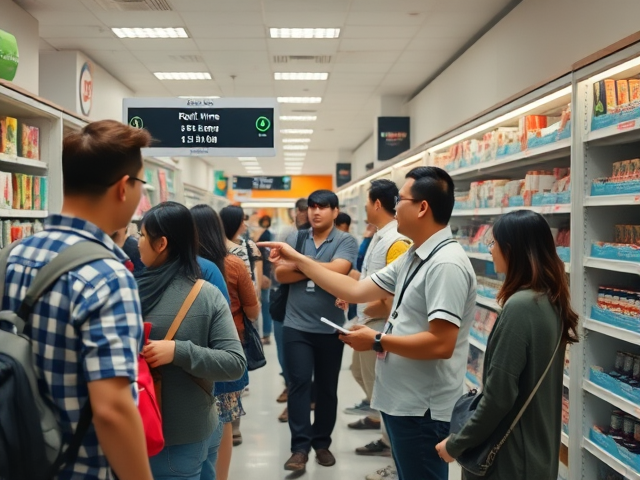
In Singapore's fast-paced retail landscape, customer expectations have never been higher. Shoppers demand speed, convenience, and seamless service at every touchpoint. When a retail waiting line drags on without clear communication or proper management, the customer experience deteriorates rapidly. Studies show that even a few extra minutes of unnecessary waiting can significantly lower satisfaction scores and damage brand perception.
The impact extends beyond individual visits. In an era where social media amplifies every negative experience, a single poorly managed queue can generate complaints, poor reviews, and viral posts that deter potential customers. Conversely, retailers that prioritise the customer journey from the moment a shopper joins a queue to the moment they complete their purchase build trust, encourage repeat visits, and create advocates who spread positive word-of-mouth.
Not all retail waiting lines are the same. Recognising the type of queue your business operates helps you choose the right strategy to enhance the customer experience.
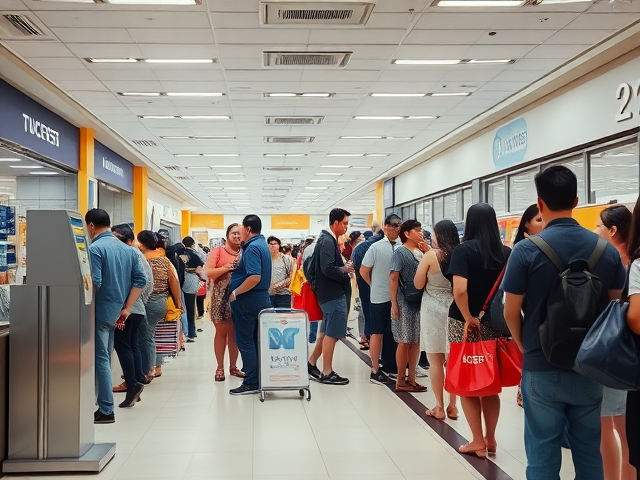
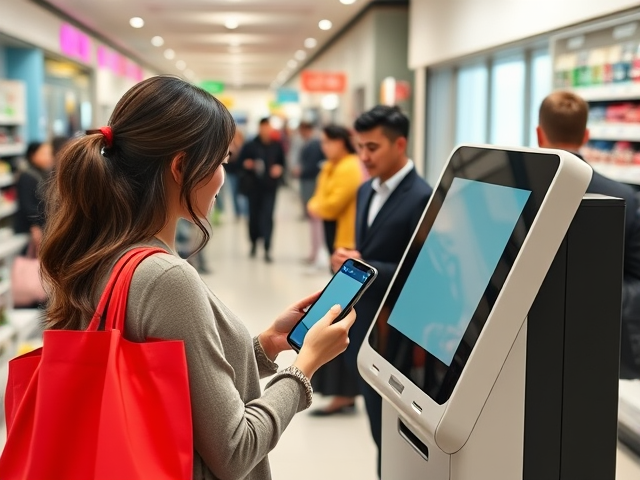
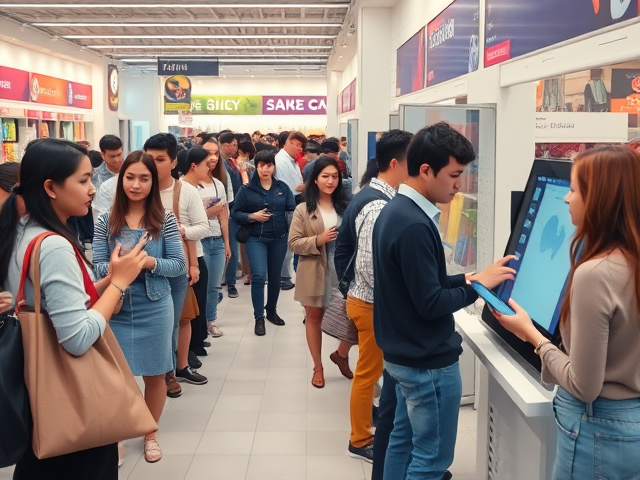
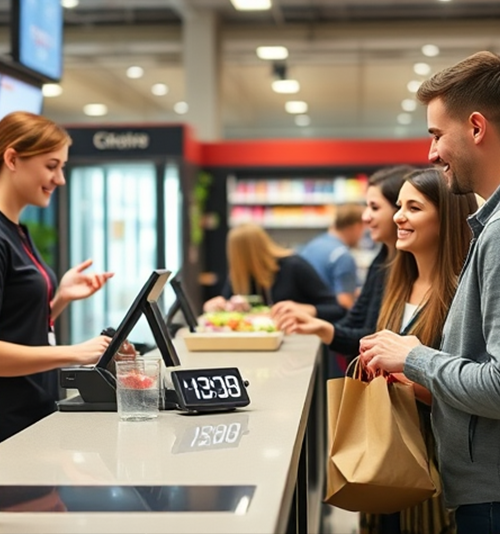
Research consistently shows that the average customer is willing to wait only about five to seven minutes before frustration begins to set in. In Singapore's retail sector, where consumers are accustomed to rapid service and digital convenience, exceeding this threshold without proper communication can quickly erode the customer experience.
To combat long waits, retailers should implement a queue management system that optimises staff allocation, introduces virtual queuing options, and provides accurate estimated wait times. By keeping wait times within acceptable limits and offering customers the freedom to wait virtually, businesses can dramatically improve satisfaction levels and reduce the number of walk-away customers.
Additionally, analysing peak hours and staffing accordingly ensures that no customer feels neglected during busy periods. A well-calibrated queue management system not only reduces actual wait times but also reduces the perceived wait, which is equally important for maintaining a positive customer experience.
One of the most overlooked aspects of retail queue management is communication. When customers join a line, they want to know how long they will wait, what happens next, and whether their time is being respected. Silence and uncertainty are the enemies of a strong customer experience.
Retailers can transform the waiting experience by implementing transparent communication strategies:
When customers feel informed and valued throughout the waiting process, they are far more likely to forgive longer waits and leave with a positive impression of your brand. Communication is not just an operational tool; it is a core component of customer experience strategy.
In Singapore's retail environment, where shoppers expect more than just transactions, the waiting period itself can become an opportunity to engage customers rather than a source of frustration. Retailers who understand this shift in customer experience strategy use the queue as a touchpoint for brand interaction.
By making the waiting experience more engaging and comfortable, retailers can shift customer perception from annoyance to anticipation. The queue becomes part of the brand experience rather than a barrier to it.
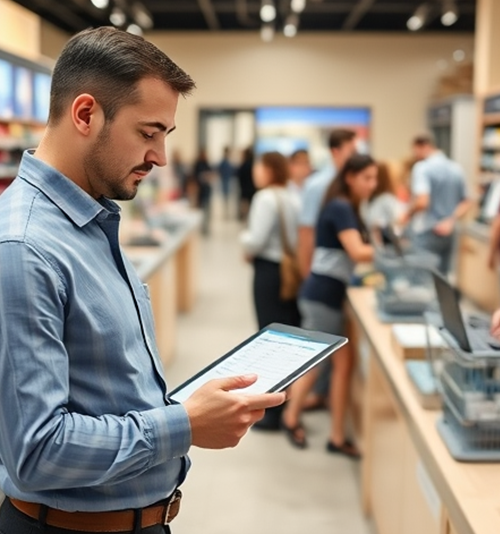
Even the best queue management system cannot compensate for understaffed counters during peak hours. In Singapore's retail sector, where customer experience is a key differentiator, ensuring the right number of staff are available at the right time is essential for maintaining service quality.
Effective staff deployment is not just about having more people; it is about having the right people in the right places at the right times. When combined with a reliable queue management system, this strategy ensures that the customer experience remains consistently strong regardless of foot traffic volume.
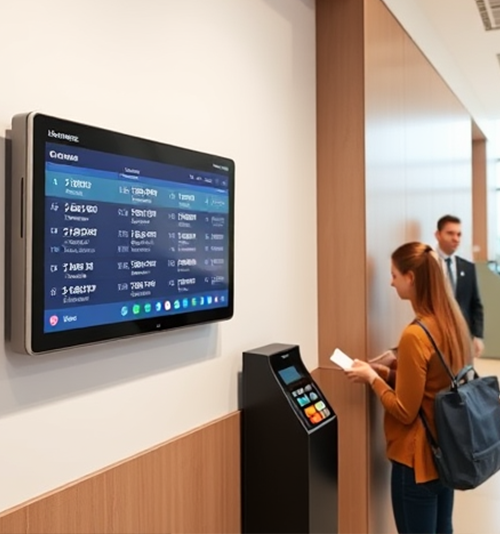
Technology is the backbone of modern customer experience strategy, and nowhere is this more evident than in queue management. Retailers in Singapore who continue to rely on manual queue management are leaving significant value on the table, while those who adopt a modern queue management system are seeing measurable improvements in satisfaction, efficiency, and revenue.
A digital queue management system automates ticketing, provides real-time queue analytics, enables virtual queuing, and sends automated notifications to customers. It also generates valuable data that helps retailers understand their customer journey from start to finish, identify bottlenecks, and make informed decisions about staffing and service design.
For Singaporean retailers, the benefits are clear: reduced walk-away rates, improved customer satisfaction scores, better staff utilisation, and the ability to compete with e-commerce by offering a superior in-store experience. Implementing a queue management system is no longer a luxury; it is a necessity for any retail business that wants to deliver a world-class customer experience.
Even the best-laid customer experience strategies require ongoing refinement. In Singapore's dynamic retail market, customer expectations evolve rapidly, and what works today may not work tomorrow. Retailers must establish feedback loops to continuously monitor and improve their queue management approach.
Collect customer feedback through post-visit surveys, digital feedback kiosks, or social media monitoring. Ask specific questions about wait times, staff friendliness, and overall satisfaction. Use this data alongside your queue management system analytics to identify patterns and areas for improvement.
Continuous improvement is not a one-time project; it is an ongoing commitment to the customer journey. Retailers who embrace this mindset will stay ahead of the competition and build lasting relationships with their customers.
In Singapore, where digital adoption is among the highest in the world, customers expect a seamless experience whether they are browsing online or visiting a physical store. Retailers who successfully bridge the gap between online and offline channels create a customer journey that feels cohesive, convenient, and modern.
By creating a unified omnichannel experience, Singaporean retailers can meet customers wherever they are and deliver a customer journey that is as smooth and efficient as the digital world they inhabit. This is the future of retail customer experience, and the time to act is now.
Ready to transform your retail waiting lines into a competitive advantage? QueueBee's queue management system is designed specifically for Singapore's dynamic retail environment. Reduce wait times, improve the customer journey, and deliver the exceptional customer experience your shoppers deserve.
Contact us today for a personalised solution