
Every day, thousands of Singaporeans visit government offices across the island — from HDB branches and ICA counters to CPF centres and NEA service points — to complete essential transactions. Yet despite the nation's reputation for efficiency, long queues remain a persistent pain point for both citizens and civil servants.
Imagine a father arriving at a CPF office early in the morning, hoping to sort out his retirement matters before work. He finds a queue stretching past the entrance, with no clear estimate of how long he will wait. The frustration is real, and it is not just his alone. Across Singapore, citizens face similar experiences at government service counters, where outdated queue management practices lead to wasted time, overcrowded waiting areas, and declining satisfaction.
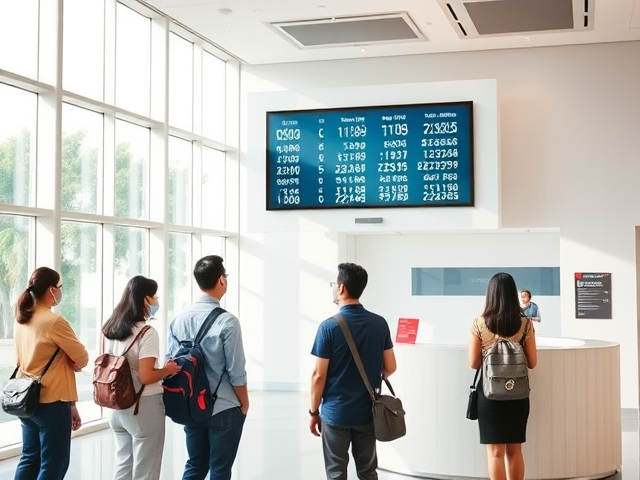
Singapore's Smart Nation initiative has transformed countless aspects of public service delivery, from digital tax filing to online business registration. Yet one critical area still lags behind — the physical queue experience at government offices. A modern queue management system bridges this gap by bringing digital convenience to in-person citizen services.
The stakes are high. Government offices serve millions of residents annually, and inefficient queuing directly impacts public trust. When citizens spend hours waiting for routine services, it reflects poorly on the government's commitment to efficiency and citizen-centric service delivery. A well-implemented queue management system addresses this challenge head-on, ensuring that every visit is respectful of the citizen's time.
Choosing the right queue management approach depends on the office's infrastructure, citizen demographics, and service requirements.
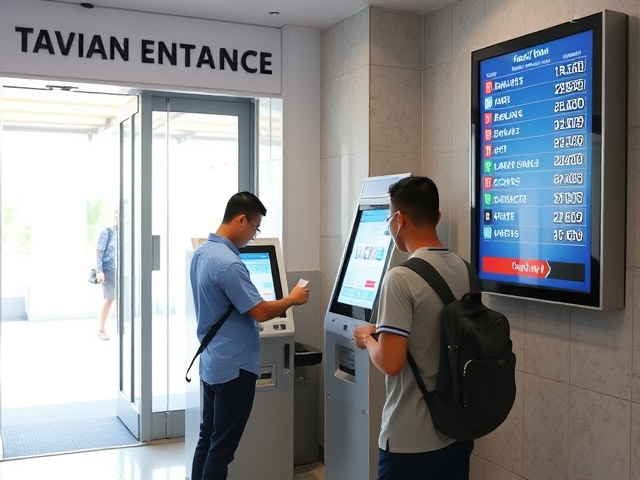


In Singapore, time is one of the most valued resources. A study by the Institute of Policy Studies found that the average Singaporean spends over 30 minutes per visit at government offices, with some transactions taking up to two hours. For a queue management system, reducing these wait times is not just a convenience — it is a public service imperative.
Long queues at government offices create a ripple effect. Citizens miss work, families disrupt their schedules, and elderly residents face physical strain waiting in hot, crowded spaces. By implementing a smart queue system that optimises counter allocation and provides accurate wait time estimates, government offices can cut average waiting times by up to 60 per cent.
This is where a modern queue management system makes a tangible difference. By intelligently routing citizens to the appropriate counter and balancing workload across staff, the system ensures that every minute of a citizen's visit is productive. The result is faster service, happier citizens, and a government that truly puts people first.
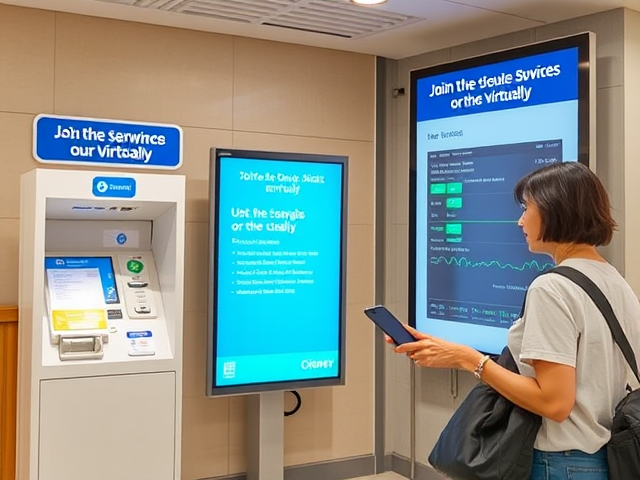
Uncertainty is the enemy of good service. When citizens arrive at a government office with no idea how long they will wait, anxiety builds. A virtual queue system eliminates this uncertainty by providing real-time updates on queue status, estimated wait times, and counter availability.
Imagine a citizen joining a queue at an ICA office through their phone. They receive:
By integrating seamless communication into the queuing process, government offices demonstrate transparency and respect for citizens' time. Whether it's through a mobile app, digital displays at the office, or automated SMS notifications, citizens stay informed and engaged throughout their visit.
Government offices in Singapore often face peak periods where hundreds of citizens arrive within a short window. Without proper crowd management, waiting areas become overcrowded, creating uncomfortable and even unsafe conditions. A smart queue system addresses this challenge by distributing citizen flow more evenly throughout the day.
Efficient crowd management is essential for any government service point. It is not just about logistics — it is about creating a respectful, orderly environment where citizens feel valued. This approach enhances the entire experience, making government visits smoother and more pleasant for everyone.

In Singapore, the government's credibility is closely tied to its ability to deliver efficient public services. A queue management system plays a crucial role in shaping how citizens perceive government responsiveness and competence. Here's how a modern queue system elevates the citizen experience:
Effective citizen service is a continuous journey of understanding and responding to public needs. Implementing a robust queue management system is a powerful step in this journey, ensuring that every government interaction counts towards building a stronger, more trusting relationship between the state and its citizens.
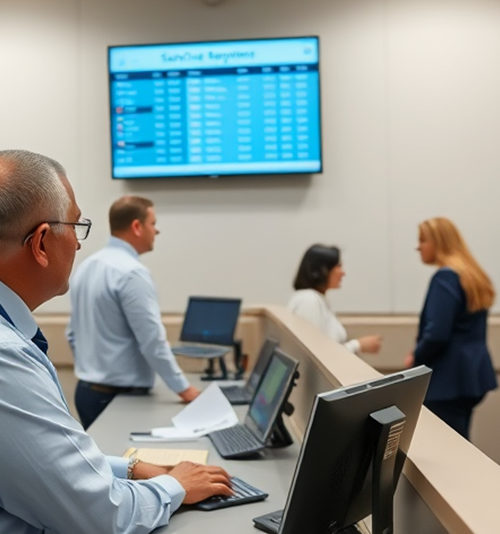
Government officers and civil servants in Singapore work tirelessly to serve the public. Yet they often face the dual burden of managing long queues while maintaining high service standards. The stress of dealing with frustrated citizens can take a toll on morale and productivity.
Consider a CPF officer who spends half their day managing queue disruptions, fielding complaints about wait times, and dealing with agitated citizens. This is not the kind of work environment that fosters excellence. When a queue management system takes over the logistical burden, officers can focus on what they do best — serving citizens with care and expertise.
A smart queue system streamlines the entire waiting process, keeping citizens informed and reducing the number of complaints officers receive. No more dealing with the frustration of citizens who feel ignored or undervalued due to poor queue management.
When civil servants are freed from the chaos of unmanaged queues, they can deliver higher-quality service, spend more time on complex cases, and maintain better work-life balance. This not only improves morale but also reduces staff turnover — a critical concern in the public sector.
Inefficiency in government service delivery is not just a citizen inconvenience — it is a drain on public resources. Long queues mean more staff hours spent on queue management, more space required for waiting areas, and higher operational costs. A queue management system directly addresses these inefficiencies.
QueueBee's queue management system makes a measurable difference for government offices:
The impact of a system like QueueBee's can be substantial. By improving operational efficiency, government offices can achieve significant cost savings that can be reinvested into better public services. Imagine the resources saved if even a fraction of the time currently spent managing queues was redirected toward citizen-facing activities.
A modern queue management system does more than manage lines — it provides valuable data across the entire citizen journey. This data is essential for government agencies looking to make smarter, more informed decisions about service delivery.
For government offices in Singapore, a queue management system is not just an operational tool — it is a strategic asset that enables data-driven decision-making and continuous service improvement.

Singapore's government offices require a queue management system that is reliable, secure, and scalable. QueueBee has been trusted by hundreds of organisations across Southeast Asia to deliver exactly that. Here's why QueueBee is the ideal queue management system for government offices in Singapore:
Whether you manage a busy HDB branch, a CPF service centre, or a NEA office, QueueBee's queue management system can transform the citizen experience while reducing operational burdens. Let us help you build a more efficient, citizen-centric government service.
Ready to modernise your government office's queue management? Discover how QueueBee's queue management system can reduce wait times, improve citizen satisfaction, and streamline operations across your agency.
Contact us today for a personalised solution tailored to your office's needs.