
Picture this: It is Friday evening in Singapore. You have just finished work and are starving. You head to that popular hawker centre or restaurant everyone has been raving about on social media. Upon arrival, you are greeted by a sight that has become all too familiar — a long physical queue stretching past the entrance, with impatient diners checking their watches and shifting from foot to foot.
This is the reality for countless restaurants across Singapore every single day. Traditional waiting lists force customers to stand in line, waste time, and risk losing their spot if they step away for a drink or to check their phone. Meanwhile, restaurant staff are overwhelmed managing paper lists, calling out names, and dealing with frustrated customers who feel their time is not valued.
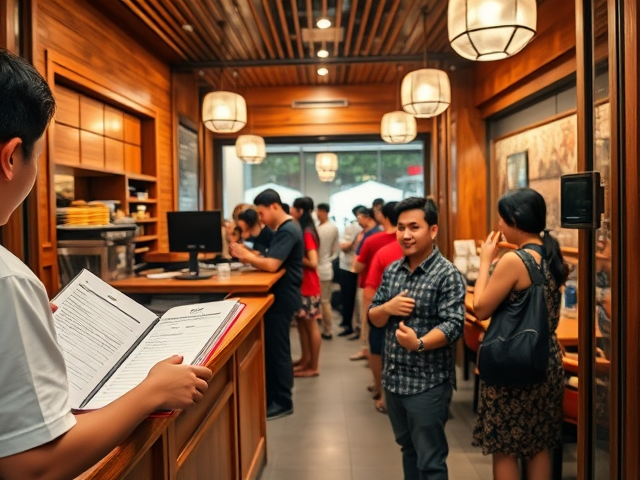
Singapore is a city that never sleeps, and neither does its food culture. From Marina Bay to Tiong Bahru, diners expect convenience, speed, and a seamless experience. Yet, many restaurants still rely on outdated traditional waiting lists — paper books, manual callouts, and physical queuing systems that create bottlenecks, confusion, and lost revenue.
The problem is not just inconvenience. Long physical queues lead to walkaways, negative reviews, and damaged reputations. In a competitive market like Singapore, where diners have endless options at their fingertips, a poor waiting experience can cost a restaurant its most valuable asset — its customers.
This is where a modern queue management system becomes essential. By replacing paper lists with a smart queue system, restaurants can offer a virtual queue system that lets customers join from anywhere, receive real-time updates, and arrive only when their table is ready. The result? Happier diners, smoother operations, and more seated guests per evening.
Understanding the key differences between the old way and the new way

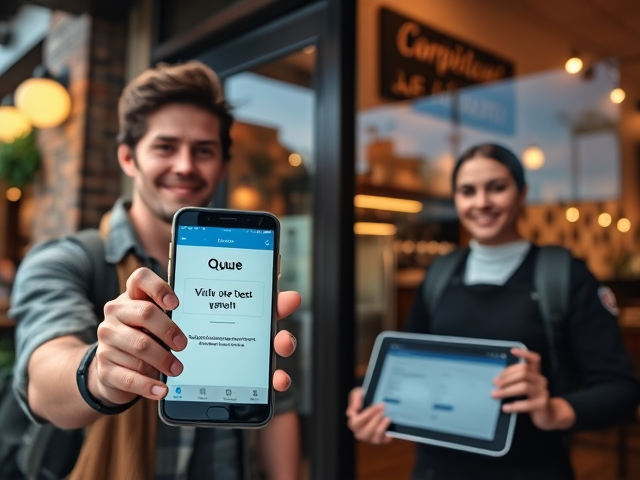
In Singapore's tropical climate, standing in a physical queue under the sun or in a cramped entrance is a recipe for customer frustration. A virtual queue system removes this pain point entirely. Diners can join the queue remotely, explore nearby shopping malls, grab a coffee, or simply relax at home until their table is ready.
This freedom transforms the dining experience. Instead of wasting 30 to 60 minutes standing in line, customers use their time productively. For the restaurant, it means a less crowded entrance, a more relaxed atmosphere, and customers who arrive in a better mood — ready to enjoy their meal and spend more.
A smart queue system also ensures fairness. No more cutting in line, no more disputes over who arrived first. Every customer is placed in order, tracked digitally, and notified when it is their turn. This transparency builds trust and turns first-time visitors into loyal patrons.
Uncertainty is the enemy of a good dining experience. When customers do not know their position in the queue or how long they will wait, anxiety builds. A restaurant waitlist software solves this by providing real-time updates through SMS, WhatsApp, or push notifications.
Here is what a smart queue system delivers to every diner:
By integrating seamless communication into the queuing process, a queue management system keeps diners informed, engaged, and comfortable. This not only smooths out the waiting experience but also reinforces the restaurant's commitment to customer care — turning what was once a negative experience into a positive one.
In the restaurant industry, every table is a revenue generator. Traditional waiting lists often result in uneven table turnover — some tables sit idle while others are overcrowded. A smart queue system balances demand, predicts wait times accurately, and ensures tables are turned over efficiently without rushing diners.
Efficient table management is vital for any restaurant in Singapore. It is not just about seating guests faster; it is about creating a smooth, predictable flow that maximises revenue while maintaining a premium dining experience. This approach does not just solve operational issues — it enhances the entire evening for both customers and staff.
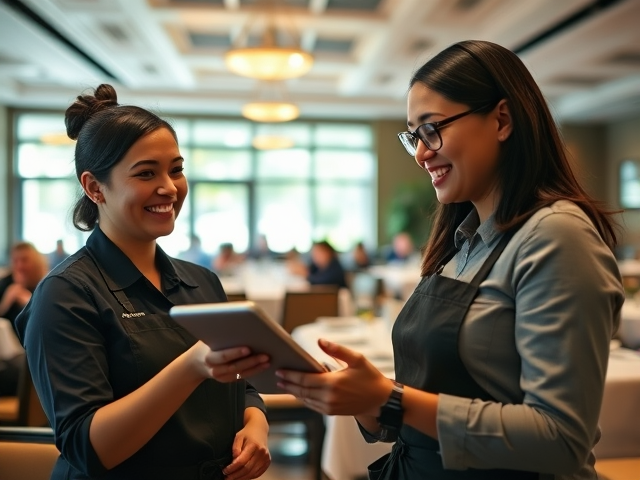
In Singapore's competitive F&B landscape, customer service is the differentiator between a one-time visitor and a lifelong regular. A restaurant waitlist software plays a crucial role in elevating service standards by removing the friction points that traditionally plague the dining experience:
Effective customer service is a continuous journey of understanding and responding to diner needs. Implementing a robust queue management system is a powerful step in this journey, ensuring that every interaction counts towards building a strong, lasting relationship with your customers.
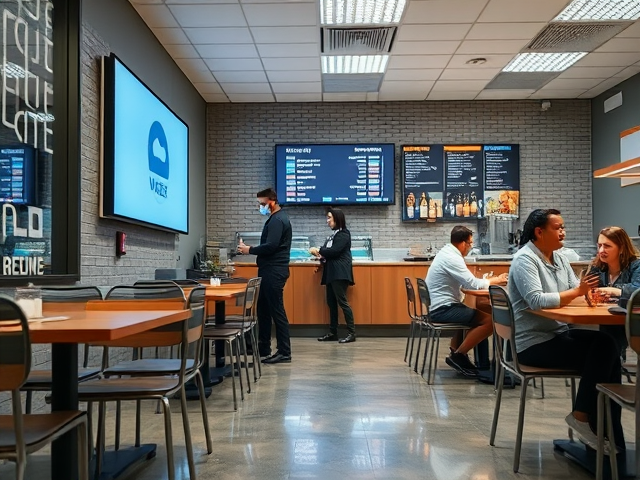
Imagine a front-of-house team that is calm, organised, and focused on delivering excellent service rather than managing a chaotic physical queue. This is the reality for restaurants that have adopted a virtual queue system. When staff are no longer overwhelmed by managing paper lists, calling out names, and calming frustrated diners, they can do what they do best — serve guests with warmth and professionalism.
Traditional waiting lists create a constant state of stress for staff. They deal with complaints about wait times, disputes over queue order, and the pressure of keeping the entrance clear. This stress trickles down, affecting morale and service quality across the entire team.
A virtual queue system automates the entire waiting process. Staff receive real-time updates on table readiness, guest preferences, and queue length. They can plan their workflow, allocate resources efficiently, and greet each guest with a smile — not a sigh.
When staff are empowered with the right tools, service quality improves dramatically. They spend less time on logistics and more time on personal interactions, upselling, and ensuring every diner has a memorable experience. This not only boosts team morale but also elevates the restaurant's reputation in Singapore's competitive F&B scene.
Every walkaway is lost revenue. In Singapore's bustling dining scene, a customer who leaves because of a long physical queue does not just miss one meal — they may never return. Studies show that up to 30% of diners walk away from restaurants with visible queues. That is significant revenue walking out the door.
A restaurant waitlist software directly addresses this problem. By allowing customers to join a queue remotely, restaurants capture diners who would have otherwise walked away. A virtual queue system turns potential walkaways into seated guests, directly boosting revenue.
The financial impact of a smart queue system is substantial. By reducing walkaways, improving table turnover, and empowering staff, restaurants in Singapore can see a measurable increase in nightly revenue. This is not just a technology upgrade — it is a revenue-generating strategy.
A modern queue management system does more than manage lines — it provides valuable data across your entire customer journey. This data is key to making smarter, more informed decisions in your restaurant business.
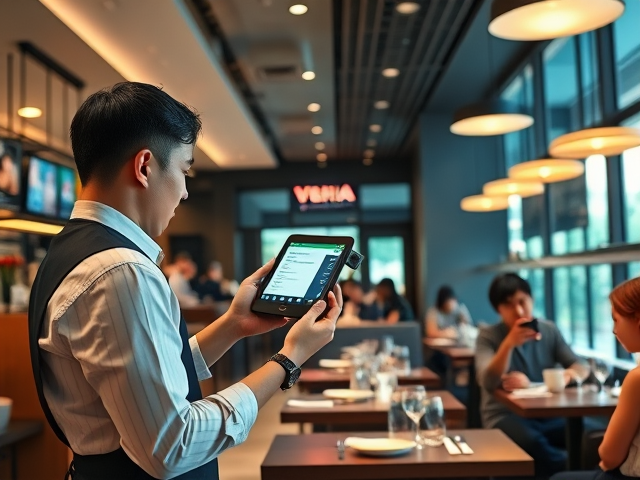
Singapore's F&B industry is evolving rapidly. Diners are more tech-savvy than ever, expecting the same convenience from restaurants that they get from ride-hailing apps and food delivery platforms. A restaurant that still relies on a paper-based waiting list is falling behind.
Restaurants across Singapore — from hawker centres to fine dining establishments — are adopting a virtual queue system for good reason. It reduces wait times, improves customer satisfaction, boosts staff efficiency, and increases revenue. It is not a luxury; it is a necessity for any restaurant that wants to thrive in today's competitive market.
QueueBee's queue management system is designed specifically for the Singapore market. It integrates seamlessly with existing restaurant operations, supports multiple languages, and provides the reliability and scalability that busy F&B businesses demand. Whether you run a single outlet or a multi-location chain, a smart queue system from QueueBee can transform your customer experience.
Ready to replace traditional waiting lists with a modern queue management system? Discover how QueueBee's virtual queue system can transform your restaurant's operations, delight your diners, and boost your bottom line.
Contact us today for a personalised demo and see the difference a smart queue system makes.