
Walk into any neighbourhood GP clinic in Singapore during peak hours and you will see the same scene: rows of patients sitting on plastic chairs, some looking at their watches, others scrolling through their phones, all wondering how much longer the wait will be. For many clinic operators, this has become the accepted norm. But for patients, it is a daily frustration that erodes trust and drives them to seek alternatives.
GP clinics across Singapore handle hundreds of walk-in patients every day. Common conditions like flu, allergies, and minor infections mean that patient flow is unpredictable and often overwhelming. Without a proper queue management system, clinics struggle to keep track of who came first, who needs urgent attention, and how to balance walk-ins with appointment patients. The result is chaos, long wait times, and unhappy patients who are unlikely to return.
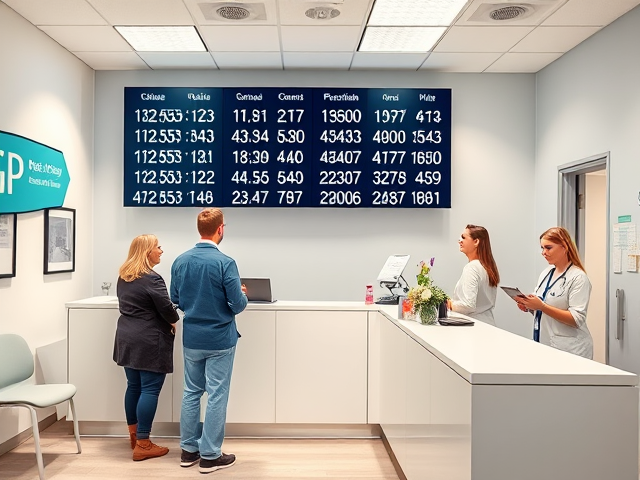
In Singapore's healthcare landscape, convenience and speed matter more than ever. Patients expect their time to be respected, especially when visiting a GP clinic for a routine consultation. When a queue management system is absent, clinics face declining patient satisfaction, increased complaints, and a growing risk of losing patients to competitors who offer a smoother experience.
This is especially crucial because the impact of poor queue management goes beyond temporary frustration. It leads to lasting dissatisfaction, affects the clinic's reputation on platforms like Google Reviews, and in many cases, patients choose not to return. This loss of patient base is a significant concern, particularly in competitive markets where alternative clinics and telehealth options are readily available.
How A Queue System Works In Practice
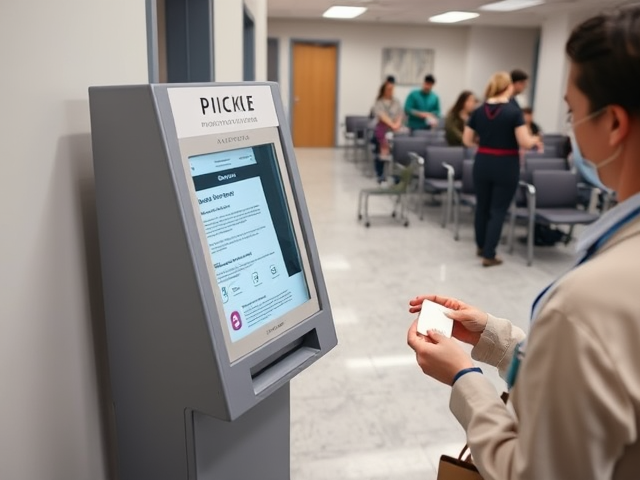
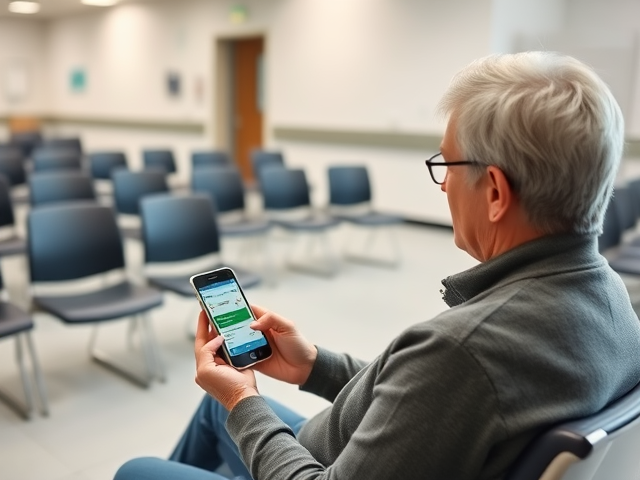
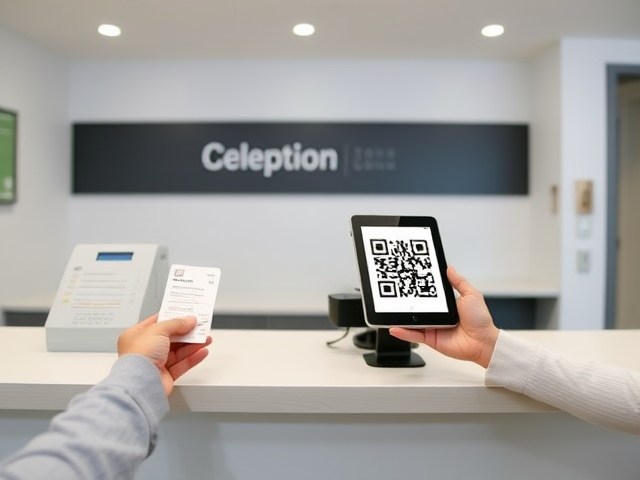

Studies show that most patients begin feeling anxious after just 5 to 10 minutes of waiting. In a busy GP clinic, it is not uncommon for patients to wait 30 minutes or more, especially during flu season or public health outbreaks. This extended wait time directly impacts patient satisfaction and can lead to negative reviews that damage the clinic's reputation.
Prolonged waits are more than a minor inconvenience; they can lead to significant patient dissatisfaction. The longer a patient waits, the more likely they are to feel neglected, which negatively impacts their perception of the clinic's professionalism and care quality.
This is where a queue management system makes a real difference. By implementing a smart queue system, GP clinics can manage patient flow more efficiently, ensuring wait times stay within an acceptable range. Incorporating a virtual queue system takes this further by eliminating physical lines and enabling patients to wait comfortably off-site, while the clinic manages the queue behind the scenes, leading to shorter wait times and higher patient satisfaction.
Communication is essential, isn't it? Especially when it comes to waiting, knowing what is going on can make all the difference. No one likes being left in the dark, wondering how much longer they will have to wait. That is where improved communication through an advanced queue system comes into play.
Imagine a system where patients get real-time updates about their wait status. Instead of feeling lost in an endless queue, they are kept informed every step of the way. This transparency does wonders:
By integrating seamless communication into the queuing process, GP clinics can keep patients informed and engaged. Whether it is through a mobile app, digital displays in the waiting area, or automated SMS notifications, patients stay informed throughout their visit. This not only smooths out the waiting experience but also reinforces the clinic's commitment to patient care, turning a mundane wait into an opportunity for positive engagement.
In the dynamic world of healthcare, efficiently managing patient flow is not just a logistical challenge; it is essential for providing a positive patient experience. It is about ensuring that every patient is smoothly guided to where they need to be, reducing wait times, and creating an orderly clinic environment.
Efficient crowd management is vital for any healthcare facility. It is not just about guiding people; it is about creating an orderly, comfortable environment where patients feel respected and valued. This approach does not just solve logistical issues; it enhances the entire experience, making visits smoother and more enjoyable for patients.

In today's competitive healthcare market, outstanding patient service is not just a nice-to-have; it is essential. It is the difference between a patient who returns and one who does not. Here is how effective queue management system software plays a crucial role in elevating patient service standards in GP clinics:
Effective patient service is a continuous journey of understanding and responding to patient needs. Implementing a robust queue management system is a powerful step in this journey, ensuring that every interaction counts towards building a strong, lasting relationship with your patients.

Consider the daily experience of clinic staff in a busy GP clinic. Receptionists spend hours managing walk-in patients, answering repetitive questions about wait times, and dealing with frustrated patients. Doctors and nurses are constantly interrupted by patients asking when they will be seen. This constant disruption takes a toll on staff morale and productivity.
Consistently facing patient dissatisfaction can be tough. It is not just about the occasional complaint; it is the daily grind of dealing with unhappy patients that can really get to you. This is not just demoralising; it can sap the motivation right out of a team. Trying to keep up quality service in the face of constant negativity? That is a tall order for anyone.
Here is where a queue management system can make a world of difference. By streamlining the waiting process and keeping patients informed, much of this stress can be alleviated. No more dealing with the frustration of patients caught off guard by long waits.
Imagine a system where patients know exactly what to expect and when. They are less likely to take out their frustration on staff because they are not caught in an endless loop of uncertainty. This kind of transparency does not just help patients; it takes a load off the staff too.
And when staff are not constantly putting out fires caused by long waits and poor communication, they are free to do what they do best: provide outstanding patient care. They can focus on enhancing the patient experience, personalising interactions, and really connecting with patients. This not only improves morale among the team but also elevates the overall service quality.
In the world of healthcare management, inefficiencies are more than just inconveniences; they directly impact your bottom line. Long, unmanaged patient queues not only escalate operational costs but can also lead to lost revenue. Patients who leave without being seen represent lost consultation fees, and the cost of managing chaotic queues falls heavily on your staff and resources.
A queue management system makes a Difference:
The impact of a system like QueueBee's can be substantial. By improving productivity and efficiency, it opens the door to significant operational cost savings. Imagine if the avoided loss from patients who would have walked away was replicated across multiple patients daily. That is the potential of reducing operational inefficiencies by up to 90% with a proper queue system.
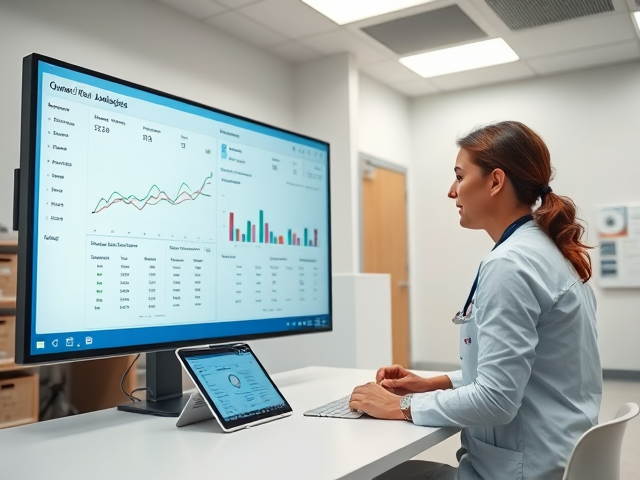
A modern queue management system does more than just manage lines; it provides valuable data across your entire patient journey. This data is key to making smarter, more informed decisions in your clinic operations.
Ready to revolutionise your clinic's patient experience? Discover how QueueBee's queue management system can transform your GP clinic's operations. With features like virtual queuing, real-time patient notifications, and data-driven insights, QueueBee helps clinics reduce wait times, improve staff efficiency, and boost patient satisfaction.
Contact us today for a personalised solution